Mastering CNC Programming with the TITAN-1M Project: A Comprehensive Overview
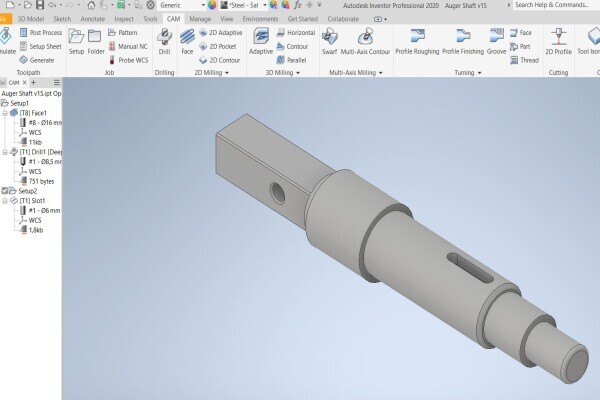
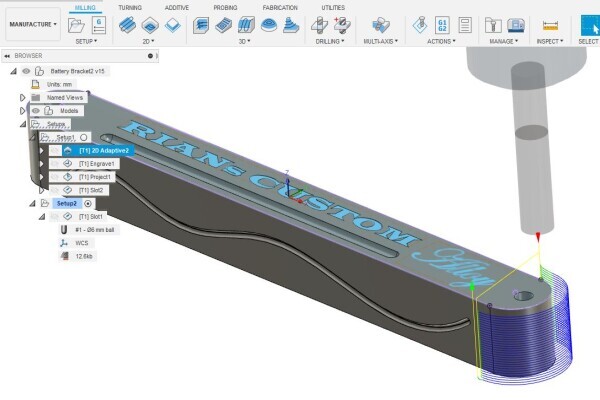
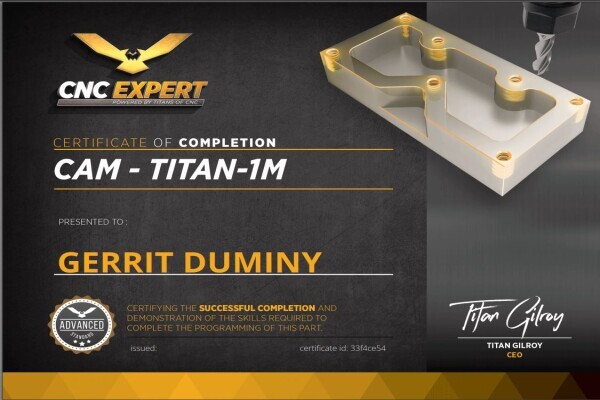
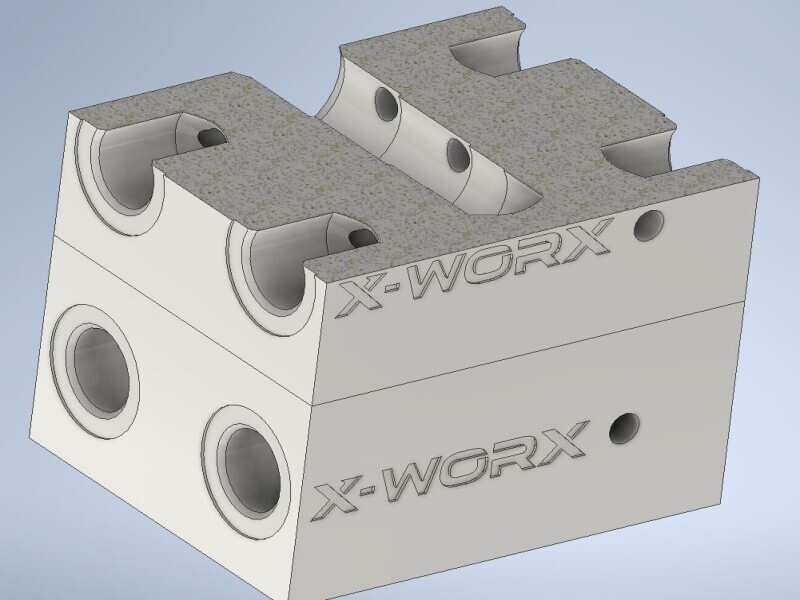
As a certified CAM professional with expertise in CNC programming, I recently had the opportunity to work on the TITAN-1M project, which required adherence to CNC expert standards. The goal was to create an accurate and fully defined NC program using CAM software to machine the TITAN-1M solid model. This project tested my ability to handle complex setups, perform intricate machining operations, and manage essential CNC tasks efficiently.
The following article outlines the project’s key components, the tools and materials used, and the specific skills demonstrated in programming a CNC HAAS milling machine for the TITAN-1M.
Project Overview: TITAN-1M Certification
The TITAN-1M project is a challenging benchmark for CNC programmers, designed to assess the operator's ability to comprehend CAM performance standards. This certification emphasizes attention to detail and precision. Using the TITAN-1M part print, setup sheet, and CAM software, I developed an accurate NC program that adheres to strict specifications. The project tested not only my technical acumen but also my ability to optimize tool paths and manage critical machining factors.
Materials Utilized
To successfully complete the TITAN-1M project, the following resources were indispensable:
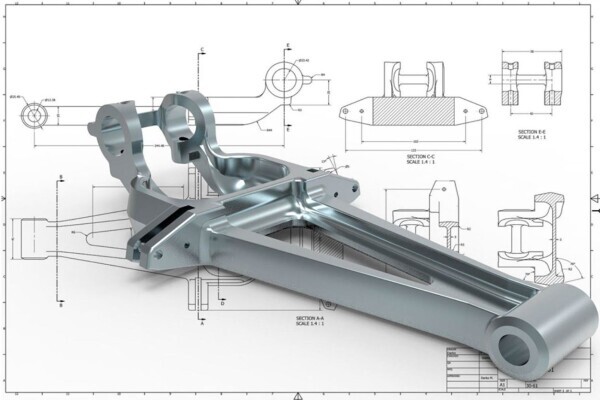
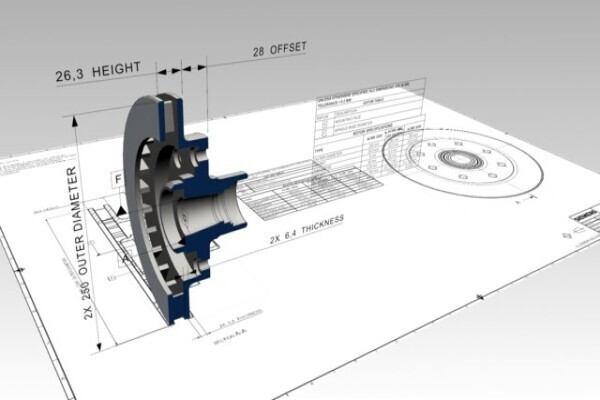
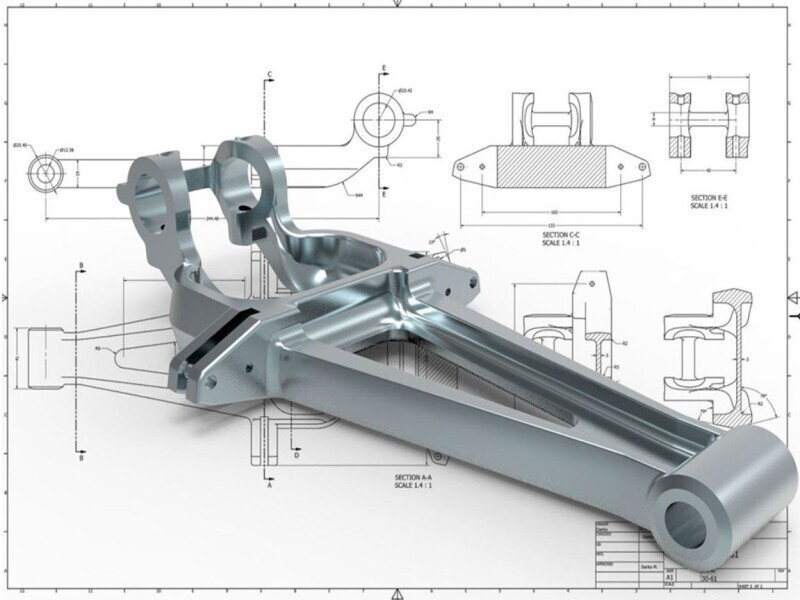
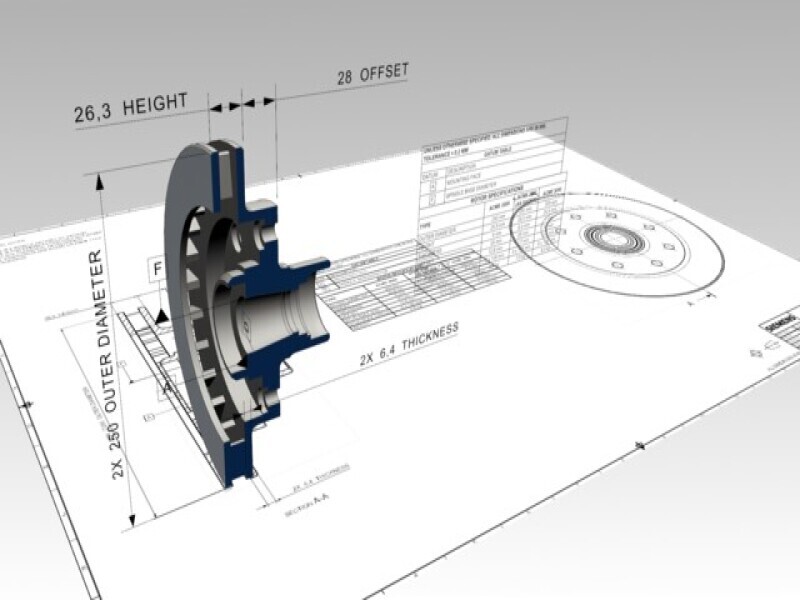
TITAN-1M part print: The technical drawing provided the exact specifications and dimensions of the part, which guided every step of the machining process.
TITAN-1M setup sheet: The setup sheet outlined the machine configuration, workholding, and cutting tool requirements.
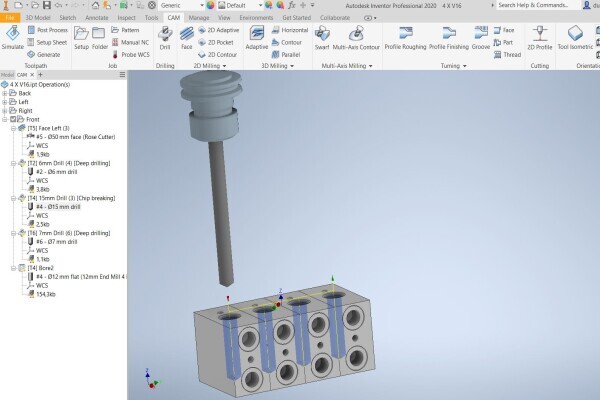
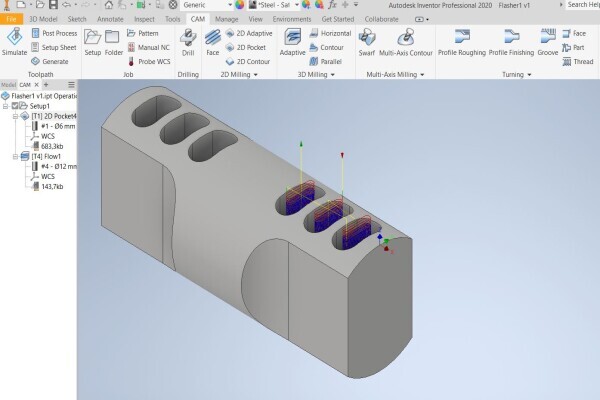
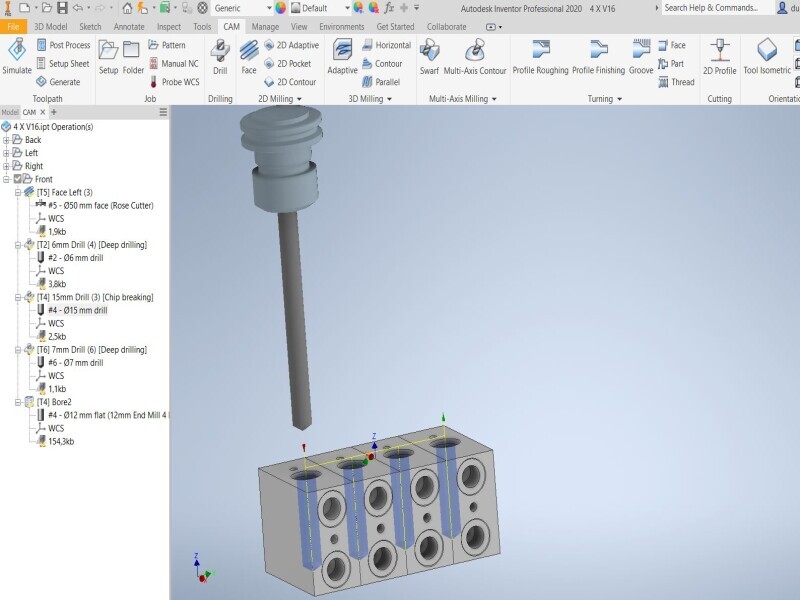
CAM software: The software was used to simulate, plan, and generate the NC code for the HAAS milling machine.
Key Skills Demonstrated
1. Setup Process
The first critical phase in CNC programming is the proper setup of the machine and tools. During this stage, I demonstrated proficiency in defining key setup parameters:
Orientation: I correctly defined the axis orientation for the work coordinate system, ensuring alignment between the part model and the machine.
Origin: I established the work coordinate system’s axis origin to ensure precise tool movements throughout the machining process.
Stock Definition: Properly defining the raw stock dimensions is essential for accurate material removal. I ensured the stock dimensions were appropriate for the required operations.
2. 2D Toolpaths
Machining the part involved several essential 2D toolpath operations. Each operation required precise control of tool parameters, geometry, and clearance heights:
Facing: I set the tool parameters and optimized the toolpath for a smooth 2D facing operation, which was crucial for creating the part’s initial flat surface.
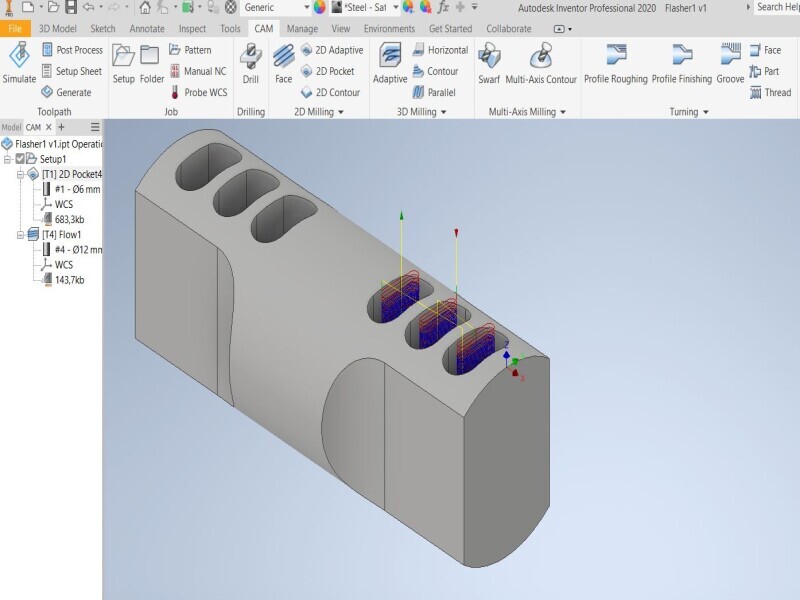
2D Pocket: I programmed the toolpath for the pocketing operation, carefully managing the depth and width of the cut.
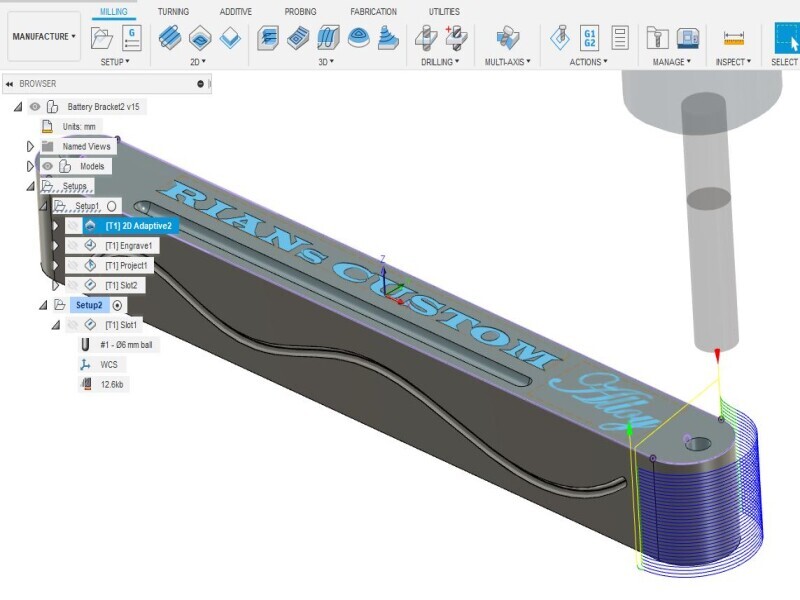
2D Contour: This toolpath allowed me to define the part’s edges, ensuring that all dimensions matched the part print.
2D Chamfer: I utilized the chamfer operation to break sharp edges and provide a smooth transition along the part's contours.
3. Holemaking Operations
The TITAN-1M part required precision holemaking operations, for which I demonstrated the following skills:
Chamfering: I set tool parameters for chamfering operations, ensuring a clean finish to the drilled holes.
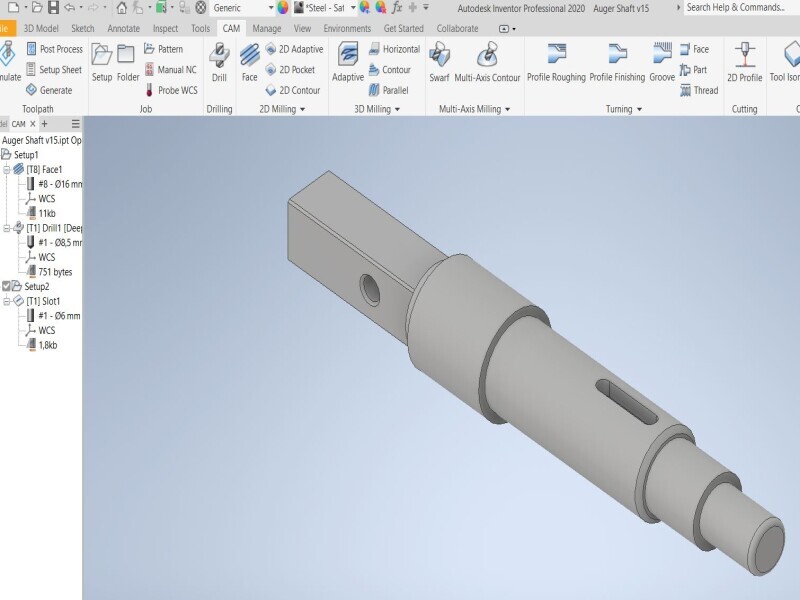
Drilling: The drilling process required careful attention to clearance and cutting heights to avoid tool damage and ensure precision.
Tapping: I programmed the tapping toolpath to create threaded holes according to the specifications in the part print.
4. 3D Toolpaths
In addition to 2D toolpaths, the TITAN-1M project required 3D operations for more complex geometries:
Adaptive Clearing: I programmed the adaptive clearing toolpath, allowing the machine to efficiently remove material while maintaining optimal cutting conditions.
5. Simulation and Post-Processing
A critical step in CNC programming is ensuring that the toolpaths will produce the desired part without errors. I successfully used the CAM software to simulate the toolpaths, previewing stock material removal to confirm accuracy before machining. This simulation minimized the risk of collisions and ensured efficient tool movements.
Once verified, I converted the toolpath information into machine-specific NC code through the post-processing step, making the program ready for execution on the HAAS milling machine.
6. Tool Management
Throughout the process, I maintained and managed the tool library within the CAM software. Efficient tool management allowed me to select the right tools for each operation and avoid unnecessary wear on cutting tools, ensuring smooth and precise machining.
Conclusion
The TITAN-1M project was an excellent demonstration of my ability to program a CNC HAAS milling machine using advanced CAM software and strict industry standards. By mastering both 2D and 3D toolpaths, holemaking operations, and tool management, I successfully created an accurate NC program that met the project's demanding requirements.
This experience reinforced my skills in CNC programming, particularly in setup optimization, toolpath generation, and post-processing for HAAS milling machines. Through this project, I further solidified my expertise in handling complex mechanical designs and machining operations, a vital asset in the world of CAD design engineering.